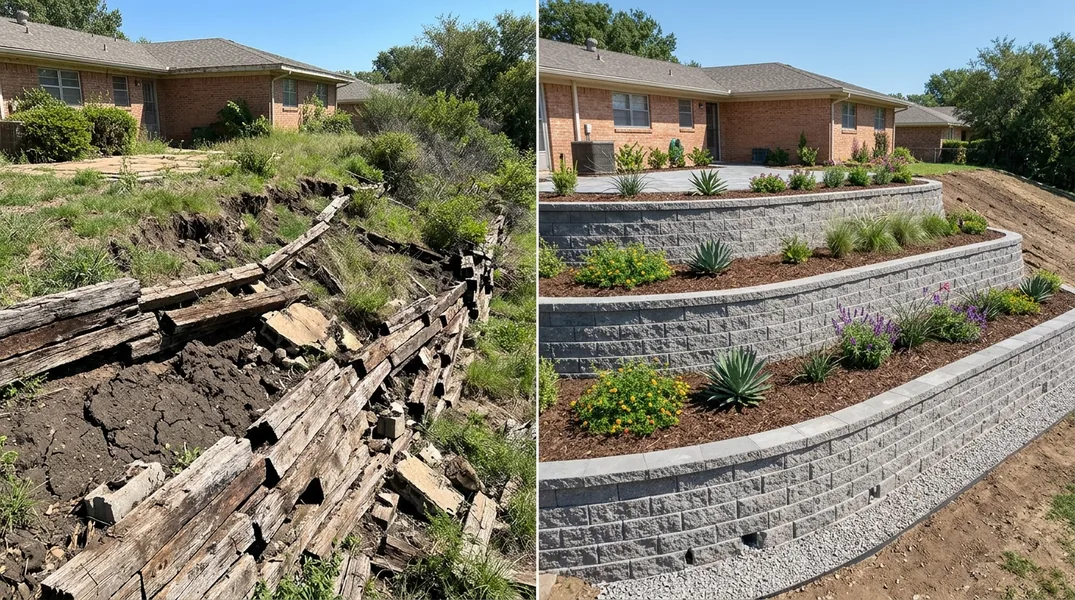
Do You Need a Retaining Wall Permit in Fort Worth?
If you're planning a Retaining Wall Installation in Fort Worth, one of the first questions you should ask is whether you need a permit. The short answer is: it depends on several factors, including the height of your wall, its location on your property, and the materials you plan to use. Most homeowners assume they can simply hire a contractor and get started, but skipping the permit process can lead to costly fines, forced removal of the wall, and complications when selling your home.
The City of Fort Worth requires permits for most retaining wall projects, particularly those that exceed certain height thresholds or are located in areas with specific zoning requirements. Understanding these regulations upfront will save you time, money, and headaches down the road. A professional retaining wall contractor can guide you through the permitting process and ensure your project meets all local codes and standards.
Retaining Wall Height Limits: What Fort Worth Requires
The retaining wall height limit is one of the most critical factors in determining whether you need a permit. In Fort Worth, retaining walls that are four feet or taller typically require a building permit. This means a 4 foot retaining wall permit is necessary before construction begins. However, even walls shorter than four feet may require permits in certain circumstances, such as if they're located near property lines, in flood zones, or in areas with strict building codes.
The height is measured from the bottom of the wall to the top of the finished structure, and it's important to measure accurately when determining whether your project falls within the permit-required category. If your wall is exactly four feet, you should still check with the City of Fort Worth to confirm permitting requirements, as some jurisdictions have slightly different thresholds. Additionally, if you're building a tiered retaining wall system, each tier may be measured separately, which could push your project into permit territory even if individual sections appear to be under the limit.
When Fort Worth Requires a Retaining Wall Permit
Beyond height requirements, several other conditions trigger the need for a retaining wall permit in Fort Worth. If your wall is adjacent to a public right-of-way, near a utility line, or located within a flood zone, you'll almost certainly need a permit. Walls that support structures, such as those built to support a deck or shed, also require permits because they bear additional load and pose greater safety risks if they fail.
Retaining walls built on slopes or hillsides are another common scenario requiring permits, as they involve soil stability and drainage considerations. If you're planning any type of Retaining Wall Installation near your home's foundation or in areas where water drainage is a concern, permitting is essential. The permitting process ensures that your wall is designed by a qualified engineer, properly constructed, and equipped with adequate drainage to prevent water buildup, soil erosion, and structural failure over time.
The Permitting Process: What to Expect
Once you've determined that your project requires a permit, the next step is understanding the application process. In Fort Worth, you'll typically need to submit detailed plans showing the wall's location, height, materials, and construction method. Many homeowners find this process confusing, which is why working with an experienced contractor is invaluable. A professional team familiar with local regulations can prepare the necessary documentation, submit applications on your behalf, and coordinate with city inspectors throughout the approval process.
The permitting timeline varies depending on the complexity of your project and the current workload at the City of Fort Worth's building department. Simple projects may be approved within a few weeks, while more complex installations involving engineering reviews might take several months. Once your permit is approved, inspections will be required at various stages of construction, typically including a foundation inspection before the wall is built and a final inspection upon completion. These inspections ensure that your wall meets all safety standards and building codes, protecting both your property and your investment.
Do-It-Yourself vs. Professional Installation: Permit Implications
Some homeowners consider building their retaining wall themselves to save money, but this approach can create serious permit complications. Even if you decide to tackle the construction yourself, you still need to obtain a permit in your name, and most permits require inspections by a licensed professional. Additionally, if your wall fails or causes damage to neighboring properties, you could face liability issues that your homeowner's insurance may not cover if the work was done without proper permits and inspections.
Hiring a licensed contractor for your Retaining Wall Installation ensures that the work meets all Fort Worth building codes and that permits are properly obtained and maintained. A professional contractor carries liability insurance and stands behind their work, providing you with peace of mind and legal protection. When you request a free estimate from Fort Worth Retaining Wall, our team will assess your project, explain all permitting requirements, and handle the entire process for you. Call us at (817) 764-1304 to discuss your retaining wall project and learn how we can help you navigate the permitting requirements.
Common Mistakes Homeowners Make with Retaining Wall Permits
One of the most common mistakes is assuming that a small retaining wall doesn't need a permit. Many homeowners build walls under the assumption that anything under four feet is automatically exempt, only to discover later that their specific location required permits regardless of height. Another frequent error is failing to account for drainage requirements during the permitting process. A properly permitted retaining wall includes engineered drainage solutions that prevent water from accumulating behind the wall, which can lead to failure and costly Retaining Wall Repair down the line.
Homeowners also sometimes skip the permit process entirely, thinking they can avoid the cost and hassle. This decision can backfire significantly when selling your home, as buyers' inspectors will identify unpermitted structures and may require removal or expensive remediation. Additionally, if your unpermitted wall causes damage to a neighbor's property or fails during a heavy rain event, you could face legal liability and insurance complications. The cost of obtaining a permit is minimal compared to the potential expenses and headaches of dealing with an unpermitted wall later.
Looking for a professional retaining wall contractor in Fort Worth? Fort Worth Retaining Wall responds fast for all your retaining wall needs.
Get a Free QuoteOur services: Retaining Wall Installation · Retaining Wall Repair · Retaining Wall Replacement